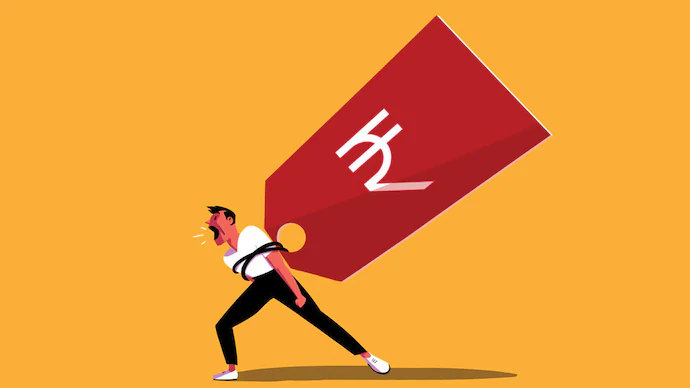
This isn’t just about padding the bank account (though that’s nice!). It’s about building a business that can grow steadily and strong, all by really digging into what makes your customers tick and what your stuff is truly worth to them. Let’s break down the cool ways modern businesses are doing this, with some real-world examples from all over the place.
Unlocking Growth: The Power of Strategic Cost Transformation and Smart Pricing
Ever wonder how some businesses just seem to nail it when it comes to making money and keeping customers happy? It’s not just about slashing expenses, though that helps! The real secret sauce is something called cost transformation. Think of it as a total makeover for how a business runs, making it super efficient, quick on its feet, and totally focused on what customers actually want. And guess what? This whole makeover goes hand-in-hand with smart pricing. We’re talking about ditching those old-school “cost-plus-a-bit” price tags and getting clever about how we charge, so it truly reflects the awesome value we’re bringing to the table.
1. Customer-Centric Pricing: Your Customer, Front and Center
Remember when companies just slapped a price on something and expected you to pay it? Well, those days are pretty much over. Customer-centric pricing is all about creating prices that genuinely fit what your customers need, what they can afford, and how much they feel your product or service is worth. It’s like asking, “What problem are we solving for them, and what’s that solution really worth in their eyes?”
Examples:
- Software as a Service (SaaS): Instead of buying a software CD once (remember those?), most software now comes as a subscription. Think of project management tools like Asana or Trello. They offer different levels – a basic one for small teams, a “Pro” for growing businesses, and an “Enterprise” for big companies. This way, a tiny startup can get started without breaking the bank and then pay more only as they grow and need more features. Super fair, right?
- Phone Plans: Your mobile phone bill isn’t a one-size-fits-all thing anymore. You pick how much data you want, how many calls, how many texts. It’s all about matching your actual usage and budget, not just a random price.
- Streaming Services: Netflix, Spotify – they’ve got different plans. Want basic quality? Cheaper. Need 4K and no ads for the whole family? You pay a bit more. They’re giving you choices that match what you’re willing to pay for.
2. Value-Based Pricing and Packaging: Showing Off What You’re Really Worth
This is where it gets interesting. Value-based pricing and packaging totally ignores what it cost you to make something or what your competitors are charging. Instead, it screams, “Look at all the amazing benefits and return on investment you’re getting from our stuff!” Then, you set your prices to match that awesome value. And how you package things up is key – bundling features or services in ways that really highlight different benefits for different people.
Examples:
- Consulting Gigs: If you hire a business consultant, they’re not just charging you for their time. They’re charging for the brilliant ideas that could boost your sales, cut your costs, or help you break into a new market. Their price reflects the outcome you’re getting, not just how many hours they put in.
- New Medicines: When a new, life-saving drug comes out, it often has a hefty price tag. That’s not just because of the crazy research costs. It’s because of the huge value it brings – saving lives, making people healthier, or cutting down on other medical bills in the long run.
- Fancy Gadgets: Think Apple. They don’t just compete on being the cheapest. Their iPhones and MacBooks are priced based on that whole “Apple experience” – cool design, everything just works together, and that feeling of owning something premium. The sleek packaging just seals the deal.
3. Segmentation and Targeting: Not Everyone Pays the Same (and That’s Okay!)
Let’s be real: not every customer is the same, so why should they all pay the same price? Segmentation and targeting means figuring out who your different customer groups are. What do they need? What are their habits? How much are they actually willing to pay? Once you know that, you can tailor your prices and what you offer to each group, making sure everyone feels like they’re getting a great deal.
Examples:
- Airlines: This is the classic example! Business travelers need flexibility and comfort, so they’ll pay more. Vacationers are usually looking for a bargain. Airlines use different ticket types (Economy, Business, First Class), dynamic pricing (prices change all the time!), and rules (like no refunds or extra baggage fees) to hit all these different groups.
- Business Software: A software company might have a “Starter” plan for small businesses, a “Growth” plan with more bells and whistles for medium-sized companies, and a “Custom” plan for huge corporations that need special integrations and dedicated support. Each plan is designed for a specific type of business.
- Gym Memberships: Gyms are great at this. You can get a basic membership, one that lets you go to all locations, or maybe a package with personal training. They’re all about fitting different fitness goals and schedules.
4. Pricing Experiments and Iteration: The Never-Ending Science Project
Setting a price isn’t a “one and done” deal. Pricing experiments and iteration means you’re always testing, always learning, and always tweaking. It’s about trying out different prices, different ways of bundling things, or different promotions, then looking at the numbers to see what works best. It’s like being a scientist, but for your prices!
Examples:
- Online Shopping: Ever notice how online stores sometimes show you a slightly different price or a different discount? They’re constantly running A/B tests. They’re trying to figure out what makes you click “buy” and spend a bit more.
- Video Games (Free-to-Play): Games that are free to download often make money from in-app purchases. They’re always experimenting with how much to charge for virtual coins, cool outfits, or power-ups. They watch how players spend their money to figure out the sweet spot.
- Subscription Boxes: Those monthly boxes of goodies (makeup, snacks, pet toys) are always playing with their pricing. Should they offer a discount for signing up for three months? What if they add a premium item? They’re trying to figure out what keeps you subscribed and happy.
- Ride-Sharing (Surge Pricing): Uber and Lyft are masters of this. Their prices jump up when everyone needs a ride (like during rush hour or bad weather). It might annoy you sometimes, but it’s a real-time experiment to make sure there are always enough drivers available when demand is high.
The Future of Making Bank: Smart, Nimble Pricing
So, the bottom line is, true cost transformation isn’t just about tightening your belt. It’s about building a super lean and flexible business that can then use really clever pricing strategies. By truly focusing on your customers, highlighting your value, knowing who you’re selling to, and always experimenting, businesses can break free from those old, boring pricing rules. This smart, strategic way of pricing, combined with running a tight ship, is how you unlock real, lasting growth and totally crush it in today’s wild market.